How to Choose the Best Roofing Material for Houston’s Climate
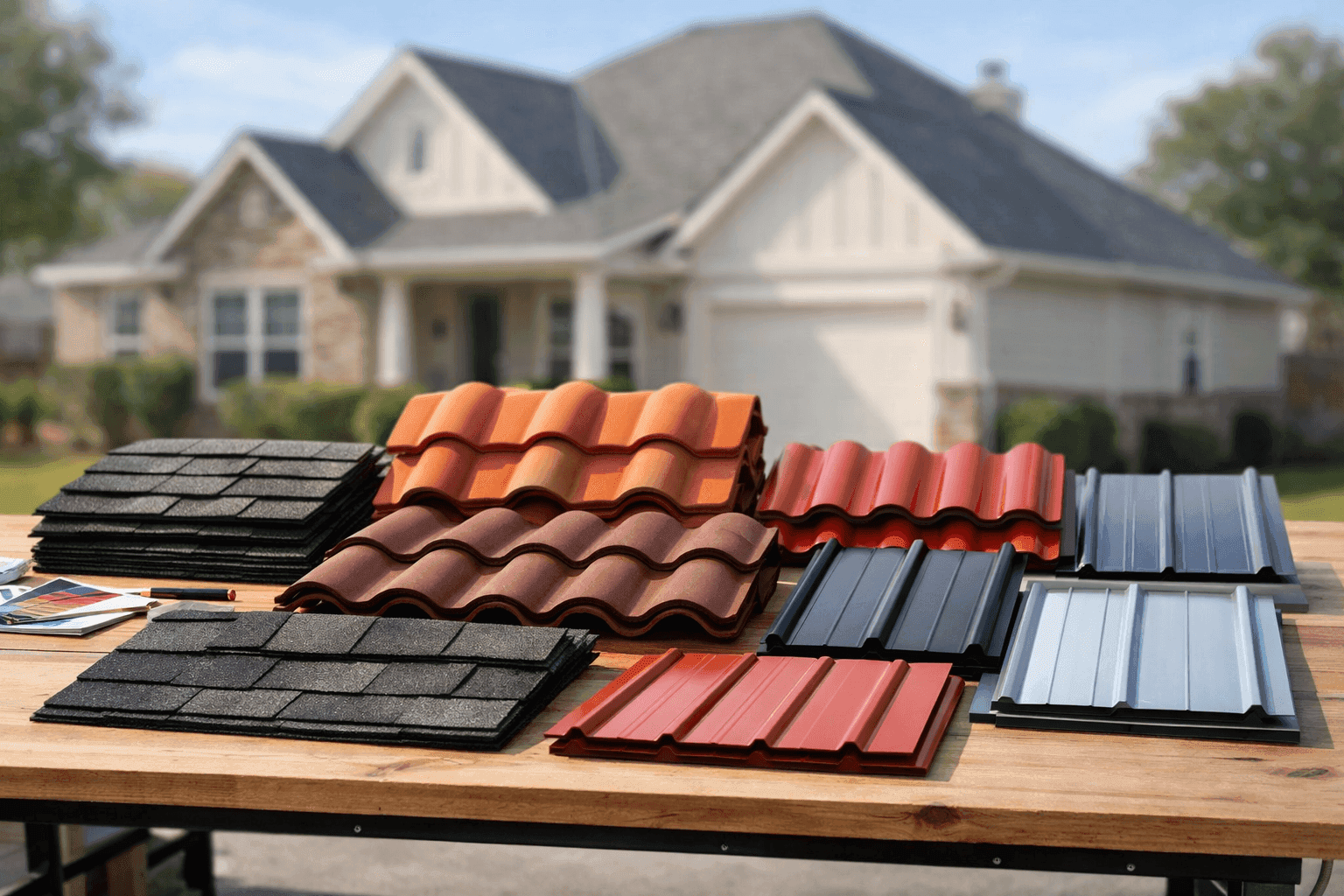
Living in Houston means sunshine that can feel like a hammer, humidity that clings, and storms that roll through with little warning. Your roof? It’s more than just a cover—it’s your shield. Choosing the right roofing material isn’t about trends. It’s about keeping your home safe, cool, and standing strong for years to come.
At Roofer Houston Tex, we’ve seen every kind of roof Houston throws at us. We know which materials last, which buckle, and which can save you real money. Let’s walk through the best options for our unique climate—so you can make the smartest choice for your home.
Overview of Roofing Materials 🏠
Houston’s roofs come in many flavors. Each has unique traits—some are tough like an old oak tree, others light as a feather but just as sturdy.
The top contenders:
- Asphalt Shingles: The classic, affordable, and available in endless colors. Great for quick installs and repairs.
- Tile Roofing: Made of clay or concrete, tile doesn’t just look elegant—it stands up to heat and resists rot.
- Metal Roofing: Think of a knight’s armor. Metal reflects sun, sheds rain, and can last 40–70 years.
- TPO & Single-Ply Membranes: Common on flat or low-slope roofs, especially for commercial and warehouse buildings. TPO (thermoplastic polyolefin) is bright white and bounces back heat.
- Green Roofs: Living roofs, with vegetation and soil layers, bring insulation and stormwater management.
- Solar Shingles: High-tech, energy-generating, and almost invisible from the street. Combine roof protection with power production.
Each material brings its own strengths, looks, and quirks. The real question: which one fits your Houston home and your plans?
Performance in Houston’s Climate
Houston weather is a real rollercoaster. Brutal sun. Wild humidity. Sudden hail and hurricane-force winds. Not every roof is up for the challenge.
Let’s break down how the main materials perform when things get tough:
Asphalt Shingles
- Strengths: Easy to repair, cost-effective, and quick to install. Modern shingles can handle wind gusts up to 130 mph.
- Weaknesses: Heat can shorten their life. UV rays bake the asphalt, causing cracks and curling over time.
Tile Roofing
- Strengths: Naturally fire-resistant and immune to rot or insect damage. The heavyweight helps them resist wind uplift.
- Weaknesses: Tiles can break if walked on or hit by large hail. They require sturdy roof framing.
Metal Roofing
- Strengths: Reflects sunlight, reducing attic heat. Stands up to wind, hail, and even fire. Sheds rain fast, so leaks are rare.
- Weaknesses: Can be noisy in heavy rain (though insulation helps). Upfront cost is higher than shingles.
TPO & Flat Roofs
- Strengths: Excellent for warehouses and commercial spaces. TPO’s white surface keeps temperatures down. Welded seams reduce leaks.
- Weaknesses: Not ideal for steep-slope homes. Requires professional installation for best results.
Green Roof Systems
- Strengths: Naturally cool the roof, manage stormwater, and boost insulation. Attract birds and pollinators.
- Weaknesses: Higher initial cost. Need regular upkeep and a strong roof structure.
Solar Shingles
- Strengths: Generate electricity and blend in with standard roofing. Designed to handle Houston heat.
- Weaknesses: Investment is steep. Performance can dip if shaded by trees or debris.
Bottom line: Houston’s heat and storms will test any roof. The best material is one built for the battle.
Energy Efficiency & Eco-Friendly Choices 🌱
Energy costs in Houston spike in the summer. Your roof can be your best defense—or your biggest liability.
Cool Roofs
Materials like metal and TPO have reflective surfaces that bounce sunlight away. This cuts attic temperatures and eases the load on your AC. According to the U.S. Department of Energy, cool roofs can lower roof surface temperatures by up to 50°F.
Green Roof Systems
Green roofs act like a living, breathing blanket. They insulate your home, cut stormwater runoff, and improve air quality. They’re a commitment but pay off in comfort and sustainability.
Solar Shingles
Why not let your roof help pay the bills? Solar shingles turn sunlight into electricity, shrinking your monthly costs and your carbon footprint. Bonus: You may qualify for federal or local incentives.
Recycled & Sustainable Options
Some shingles and tiles are made from recycled materials. Metal roofing is 100% recyclable at end of life. Ask about eco-friendly options during your consultation.
Cost, Durability, and Maintenance Comparison 💰
Let’s face it: Budget matters. But so does long-term value.
Asphalt Shingles
- Cost: Lowest initial investment.
- Lifespan: 15–30 years (shorter if not maintained).
- Maintenance: Easy repairs, but may need more frequent replacement after major storms.
Tile Roofing
- Cost: Higher upfront, but little maintenance.
- Lifespan: 40–50 years, often longer.
- Maintenance: Occasional tile replacement for breaks or cracks.
Metal Roofing
- Cost: Mid-to-high range.
- Lifespan: 40–70 years.
- Maintenance: Minimal. Check fasteners and sealants every few years.
TPO & Flat Roofs
- Cost: Varies; competitive for large footprints.
- Lifespan: 20–30 years.
- Maintenance: Keep debris clear, check seams annually.
Green & Solar Roofs
- Cost: Highest initial cost.
- Lifespan: 20–40 years for green systems; solar shingles 25–30 years.
- Maintenance: Green roofs need weeding and irrigation checks. Solar panels are low-maintenance, but need occasional cleaning.
Tip: Houston building codes require wind and hail standards—always choose materials tested for our region. Insurance companies may offer discounts for impact-resistant roofing.
Local Examples & Building Code Tips
- Historic Heights Homes: Many use clay tile or high-end shingles to match the district’s style and meet local codes.
- West Houston Suburbs: Asphalt shingles dominate for cost and speed, but metal roofs are gaining ground after recent storms.
- Commercial Roof Coatings (Large Scale) in Houston, TX: TPO and reflective coatings on warehouses cut cooling costs and meet city energy codes.
Houston requires roofing permits for most replacements. Always check local codes (Houston Permitting Center) and ask your contractor about wind, fire, and impact ratings. Avoid surprises: Unpermitted work can delay insurance claims.
Practical Tips for Houston Homeowners
- Inspect your roof every spring and after major storms. Look for missing shingles, loose flashing, or clogged gutters.
- Trim back tree limbs—branches can scrape shingles or fall during storms.
- Ask your roofer about attic ventilation and insulation. A cooler attic means a longer roof life.
- Save records of any roof work. Insurance adjusters rely on these during claims.
Frequently Asked Questions
How long does a roof really last in Houston?
Asphalt shingles: 15–25 years. Metal: 40+ years. Tile: 40–50 years or more. Storms, heat, and maintenance make a big difference.
Is metal roofing too noisy in Houston rain?
With modern underlayments and attic insulation, metal roofs are only slightly louder than shingles—often not noticeable at all.
Do I need a special roof for hurricanes?
Look for materials rated for high wind speeds. Ask for impact-resistant shingles or metal panels, and secure all flashing and vents.
Can I put solar panels on any roof?
Most roof types can support solar, but condition and orientation matter. Solar shingles are designed to replace standard shingles for seamless installation.
Related Services
Looking for more details on specific solutions? Explore our Residential Roofing and Eco-Friendly Options to see what fits your needs.
Choosing the right roofing material is more than a decision—it’s peace of mind for your family, your investment, and your future. Need help weighing your options?
Call Roofer Houston Tex now — or reach us anytime at (346) 694-0454 .